
Men's Wellness After 40
Understanding Nutritional Considerations Through Alpine Botanical Knowledge
Nutritional Shifts in Middle Age
As men reach their forties, nutritional research from longitudinal studies suggests that dietary needs and optimal nutrient profiles shift in meaningful ways. This page explores the intersection of age-related nutritional changes and Alpine botanical traditions.
Age-Related Nutritional Changes
Metabolic Changes
Metabolic rates typically decline with age, affecting how the body processes nutrients and energy. This natural change influences which dietary components become increasingly important for maintaining baseline wellness.
Micronutrient Absorption
Gastrointestinal function changes across decades. Stomach acid production decreases, affecting absorption of B vitamins, iron, and calcium. This impacts the importance of nutrient bioavailability in dietary sources.
Muscle Preservation
Muscle mass naturally decreases with age. Research shows that protein distribution throughout the day and specific amino acid profiles become increasingly important for maintaining strength and function.
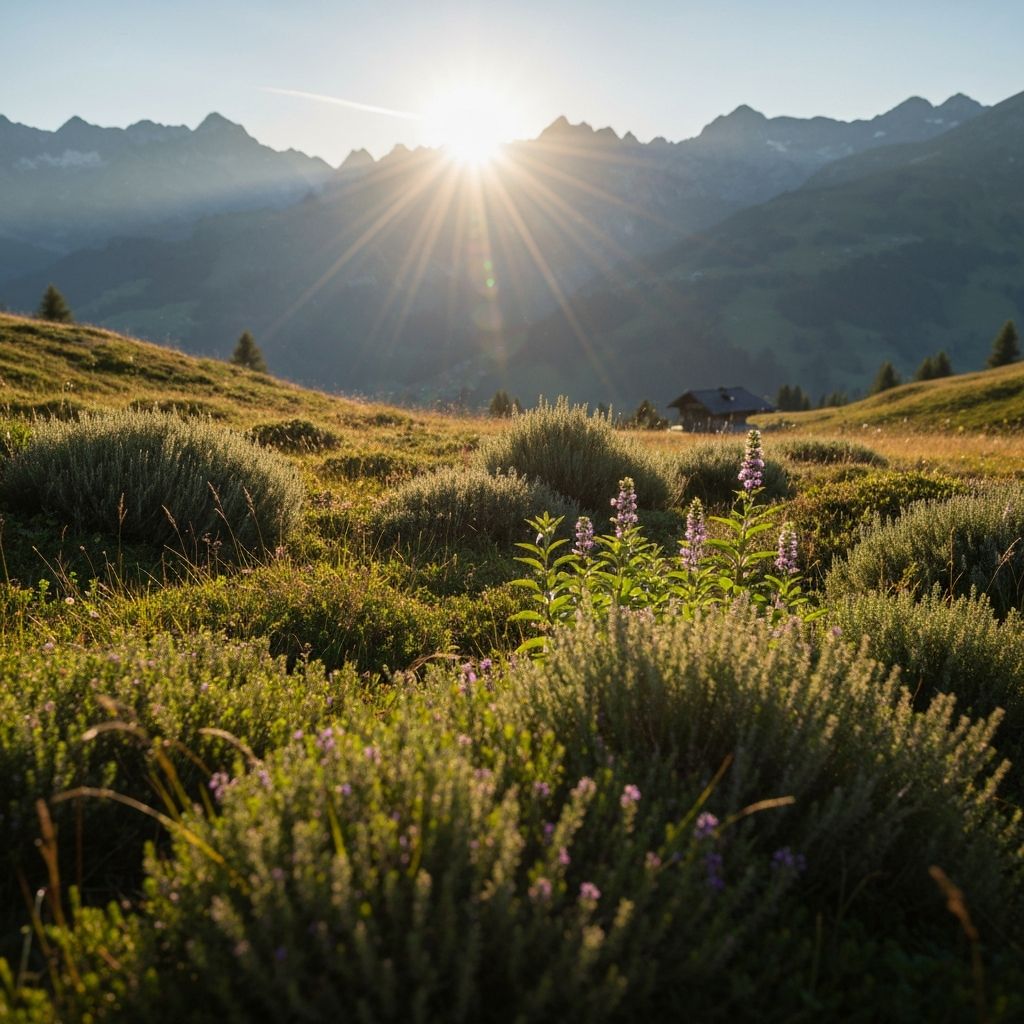
Alpine Plant Compounds for Wellness
High-altitude plants develop unique phytonutrient profiles in response to environmental stressors. These compounds represent a distinct category of botanical compounds not found in lowland varieties.
For men navigating dietary considerations after 40, these Alpine compounds offer potential nutritional support through natural sources that have been used in Swiss mountain traditions for centuries.
The phytonutrient concentration in Alpine plants can be 2-3 times higher than lowland relatives due to environmental adaptation. This represents genuine botanical variation with measurable biochemical differences.
Key Nutritional Concerns
Cardiovascular Support
Heart health becomes increasingly important across the forties. Plant compounds rich in polyphenols and antioxidants represent significant nutritional resources for cardiovascular wellness support.
Bone Mineral Density
While bone health concerns typically peak for women, men also benefit from adequate calcium, magnesium, and vitamin K intake. Alpine herbs provide these minerals from natural sources.
Inflammatory Response
Chronic low-grade inflammation increases with age. Plant compounds with anti-inflammatory properties, particularly from Alpine sources, support healthy inflammatory response management.
Cellular Energy
Mitochondrial function declines gradually across decades. Nutrients supporting energy metabolism become increasingly valuable for maintaining vitality and physical function.
Cognitive Function
Brain health depends on specific micronutrients and compounds that support neurological function. Alpine phytonutrients with neuroprotective properties offer natural support for cognitive wellness.
Immune Function
Immune system changes across decades require nutritional support. Plant compounds with immune-supporting properties from Alpine sources provide natural support for resilient immune function.
Lifestyle Factors Matter Most
Physical Activity
Regular exercise remains the single most important factor for health across all ages. Resistance training, cardiovascular activity, and flexibility work all decline in importance but never disappear.
Sleep Quality
Sleep becomes more complex but not less important. Quality sleep affects every metabolic system and influences how effectively the body utilizes dietary components.
Stress Management
Chronic stress negates many nutritional benefits. Mindfulness, social connection, and stress management practices support the body's ability to benefit from optimal nutrition.
Overall Diet Quality
Specific Alpine plants complement but cannot replace fundamentally healthy eating patterns. Whole foods, balanced macronutrients, and dietary diversity remain foundational.
Social Connection
Social relationships influence health outcomes more than most dietary interventions. Community engagement and meaningful relationships support longevity and wellness across all markers.
Medical Supervision
Regular health assessments guide personalized approaches. Professional guidance ensures dietary changes align with individual health status and medication profiles.
Alpine Plants and Men's Wellness

Traditional Knowledge Meets Modern Understanding
Alpine herbalism represents centuries of empirical observation. Men in Alpine communities historically used specific plant preparations to support health and vitality across all life stages.
Modern botanical research confirms that many traditional practices have biochemical basis. The compounds identified in Alpine plants do show measurable effects in laboratory and population-level research.
Individual Optimization
The goal is not universal solutions but personalized optimization based on individual genetics, lifestyle, and health status. Alpine plant compounds offer options within a broader wellness framework.
For men after 40 seeking natural approaches to wellness, Alpine botanicals represent a scientifically-grounded option grounded in both traditional knowledge and contemporary research.